· Updated:
A cultural ritual that defines the Aragonese capital
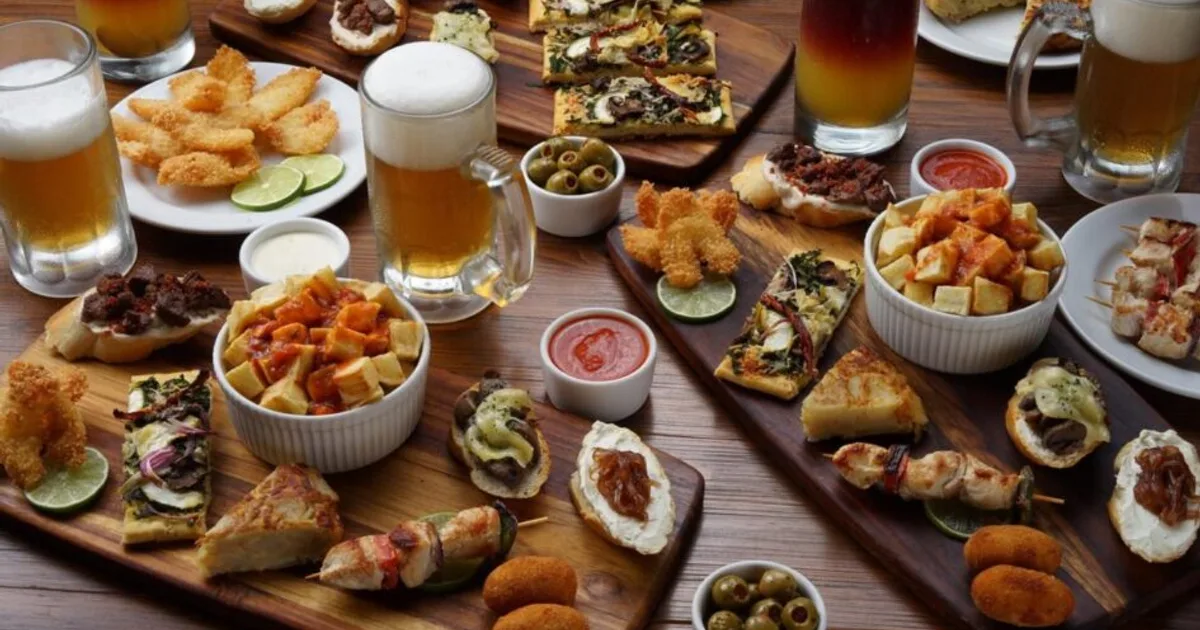
Beer and tapas in Zaragoza is a unique cultural experience where the tradition of 'ir de tapas' meets the finest Aragonese beers and wines in the city's legendary bars — a ritual that has been perfected over more than a century and remains the heartbeat of local social life. Zaragoza is not just a city where you eat and drink; it is a city where you socialise, celebrate and connect through the medium of small plates and cold glasses. The tapas culture here is different from the north (where pintxos reign) and from the south (where the portions are larger). Zaragoza has carved its own path, a distinctive blend of quality, variety and above all, conviviality.
The statistics are telling: Zaragoza has one of the highest concentrations of bars per inhabitant in Spain. Every neighbourhood has its own tapas circuit, its own institution bars and its own fiercely loyal clientele. The ritual is the same: you stand at the bar, order a caña (small beer) or a glass of wine, receive a small tapa included in the price, eat it standing up, chat with the bartender, pay and move to the next bar. This is not fast food; it is slow socialising, a deliberate practice of savouring both the food and the company.
No discussion of beer and tapas in Zaragoza is complete without mentioning Ambar, the city's native brewery. Founded in 1900 as La Zaragozana, the brewery has been producing beer in Zaragoza continuously for over 125 years, surviving civil war, economic crises and the rise of global beer brands. Ambar Especial, the flagship lager, is the default beer in most bars — a balanced, easy-drinking beer that pairs perfectly with the salty, savoury flavours of tapas. Ambar Export, with a higher alcohol content and more pronounced hop bitterness, is the choice for serious beer drinkers.
In recent years, Zaragoza has experienced a craft beer revolution. Cierzo Brewing Co., founded in 2014, has put Zaragoza on the international craft beer map with its innovative IPAs and barrel-aged stouts. La Torre, another local favourite, produces traditional styles with a modern twist. Many bars in the centre now dedicate entire sections of their menu to craft beers, and the annual Zaragoza Beer Festival draws brewers and enthusiasts from across Europe.
Zaragoza's tapas are a microcosm of Aragonese cuisine,浓缩 into bite-sized portions that allow you to taste the entire region in a single evening. The classics never change: croquetas de jamón, creamy béchamel and Serrano ham encased in golden breadcrumbs; patatas bravas, crispy potatoes with a garlicky aioli and smoky paprika sauce; calamares a la romana, rings of tender squid in a light batter; and the ubiquitous montadito de lomo, a small crusty roll filled with cured pork loin and melted cheese.
Seasonal tapas reveal the true depth of Aragonese gastronomy. In autumn, bars compete to offer the best revuelto de rebollones (scrambled eggs with saffron milk caps, the most prized mushroom in the region). In winter, hearty dishes like migas aragonesas — fried breadcrumbs with chorizo, bacon and grapes — warm the soul. Spring brings asparagus from the Ebro valley, simply grilled with olive oil and sea salt. And summer is the season of gazpacho, salmorejo and cold tomato soups that refresh in the brutal Aragonese heat.
While El Tubo de Zaragoza is the undisputed epicentre of the tapas scene, the city offers many other excellent areas. Calle de los Predicadores, known locally as "the street of tapas", runs parallel to the river and is lined with bars that specialise in creative, modern interpretations of traditional dishes. The San Pablo neighbourhood, across the river, offers a more raw, authentic experience where you will find yourself the only foreigner in the room — the highest compliment for a true food traveller.
Several bars have elevated the tapas format to a culinary art form. El Fuelle de Atanasio, near the Pilar, serves a spectacular tapa of Ternasco de Aragón in miniature. Taberna de Línea, in the centre, offers a daily-changing selection of creative tapas that would not look out of place in a Michelin-starred restaurant. And for the perfect end to a tapas tour, Bodegas Almau in El Tubo serves a selection of local cheeses and cured meats paired with wines from the Somontano and Cariñena DOs.
The experience of beer and tapas in Zaragoza is inseparable from the wider culinary culture of the city. A natural progression is to start with a tapas crawl, then move to a restaurant for the signature Ternasco de Aragón roast lamb, and finish at Puerto Venecia for drinks and evening entertainment. This combination offers the perfect introduction to the flavours of Aragón.
The best accommodation for a tapas-focused trip puts you within walking distance of the city's finest bars. Our Maestro Luna apartment is located in the historic centre, steps from El Tubo and Calle de los Predicadores, making it the perfect base for a gastronomic getaway. The one-bedroom apartment combines modern comfort with traditional charm, featuring a premium king bed, rainfall shower and a curated selection of local guides. For families or groups, the Las Armas apartment offers two bedrooms, a spacious living area and a prime Ebro-side location. Book directly with QueenBNB for exclusive rates and a warm Zaragoza welcome.
Best tapas areas: El Tubo, Calle de los Predicadores, Plaza de Santa Cruz, San Pablo neighbourhood.
Local beers: Ambar (Especial, Export, 1900), Cierzo Brewing Co., La Torre.
Average price: 2.50€ — 4.50€ per drink with tapa.
Best times: Thursday-Saturday evenings, Sunday lunch.
Zaragoza's beer and tapas culture is unique because of the city's position as a crossroads between Mediterranean and continental Europe. The local brewing tradition dates back to the early 20th century, and Zaragoza has one of the highest densities of bars per capita in Spain. The combination of world-class local beers, exceptional Aragonese ingredients and the deeply social 'ir de tapas' ritual creates an experience you will not find anywhere else.
The most iconic local beer is Ambar, brewed in Zaragoza since 1900 by La Zaragozana brewery. Try Ambar Especial (a balanced lager), Ambar Export (stronger and more aromatic) or Ambar 1900 (their premium reserve). The craft beer scene is also thriving — look for Cierzo Brewing Co. and La Torre beers in specialist bars around the city.
Essential Zaragoza tapas include: roasted padrón peppers with sea salt, croquetas de jamón (ham croquettes), patatas bravas with aioli and spicy tomato sauce, migas aragonesas (fried breadcrumbs with chorizo and bacon), champiñones al ajillo (garlic mushrooms), calamares a la romana (fried squid) and — of course — a montadito de lomo (small cured pork loin sandwich).
The most famous area is El Tubo, the historic tapas district between Plaza de España and Calle Alfonso I, with dozens of bars packed into a maze of narrow streets. Other excellent areas include Calle de los Predicadores (known as 'la calle de las tapas'), the streets around the Basilica del Pilar, and the San Pablo neighbourhood for a more local, less touristy experience.
Locals typically go for tapas between 13:00 and 15:00 for lunch, and between 20:00 and 22:00 for dinner. Thursday evening is traditionally the start of the weekend tapeo in Zaragoza. Saturday lunchtime is the busiest and most lively time. Sunday lunch after church is also a popular tradition, especially for extended family gatherings.
Make Zaragoza your base. Our boutique apartments are just minutes from all attractions.
Maestro Luna Apartment Las Armas Apartment