· Updated:
The roof of the Iberian System, just over an hour from Zaragoza
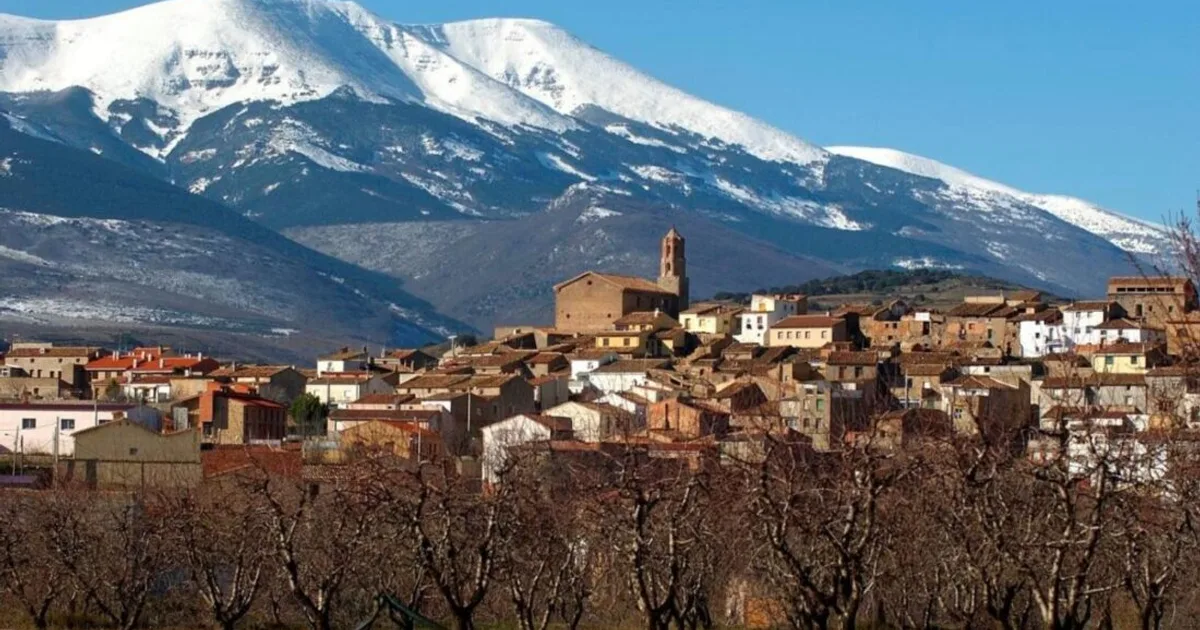
Moncayo Natural Park (Parque Natural del Moncayo) is the highest elevation in the Iberian System mountain range, reaching 2,314 metres at its summit. Located just 75 kilometres from Zaragoza, this protected natural area spans over 11,000 hectares across the comarcas of Tarazona and Borja. Its exceptional biodiversity, dramatic limestone ridges and beech forests make it one of the most rewarding day trips from the Aragonese capital. Designated a Natural Park in 1978 and also recognised as a Special Protection Area for Birds (SPA), Moncayo offers everything from gentle family walks to challenging summit ascents.
The mountain has a powerful presence in Aragonese culture. Its name likely derives from the Latin Mons Caius, and it has inspired poets, writers and artists for centuries. Antonio Machado, one of Spain's greatest poets, wrote extensively about Moncayo during his time in Soria, capturing its changing moods across the seasons. Locals often say that if you can see Moncayo clearly from Zaragoza, rain is coming — a piece of folk wisdom that holds surprisingly true.
What makes Moncayo exceptional is the range of ecosystems you encounter as you climb. The lower slopes are covered in Mediterranean holm oaks and kermes oaks, while between 1,000 and 1,600 metres you enter dense forests of oak, maple and hazel. Above 1,600 metres, the landscape transforms into one of the southernmost beech forests in Europe — a relic of the last ice age. These beech groves are spectacular in autumn when the leaves turn gold and copper. Higher still, the beech gives way to high-mountain juniper and finally to bare limestone rock and scree at the summit.
Wildlife is abundant. Wild boar, roe deer and foxes are common, while more elusive species such as the wildcat and the genet inhabit the denser forests. Birdwatchers come for the griffon vultures, golden eagles and peregrine falcons that circle the cliffs. The park also hosts a healthy population of the scarce black woodpecker, one of the few nesting sites in Aragon. On a quiet morning hike you might hear the distinctive call of the Eurasian eagle-owl echoing across the ravines.
The classic ascent starts at the Agramonte Refuge (Refugio de Agramonte), situated at 1,530 metres. From the car park, the trail climbs steadily through beech forest, breaks above the treeline, and then follows a limestone ridge to the summit. The round trip is roughly 14 kilometres with 900 metres of cumulative elevation gain, and most hikers complete it in 5 to 6 hours. The summit views on a clear day are breathtaking — you can see the Pyrenees to the north, the Ebro Valley stretching east and west, and far into the plains of Castile to the south-west.
For those seeking a less demanding experience, the Sendero de las Pasarelas (Walkway Trail) is an excellent option. This 3-kilometre circular route follows wooden walkways through the beech forest alongside a crystal-clear stream, with information panels about the local flora. It is suitable for children and requires no special equipment. Another beautiful option is the Fuente de la Umbría trail, a 6-kilometre round trip that winds through moss-covered beech trees to a natural spring.
In winter, the summit trail requires proper mountaineering equipment. Crampons and ice axes are essential when snow and ice cover the upper section, which is typically from December to March. Always check weather conditions before setting out — the mountain can generate its own microclimate, and conditions change rapidly above 1,800 metres.
Location: 75 km from Zaragoza (approx. 1h 15min drive)
Route: A-68 motorway towards Tudora, exit at A-6103 to Tarazona
Visitor Centre: Open weekends and public holidays, 10:00-14:00 and 16:00-18:00
Parking: Free car park at Agramonte refuge (limited spaces on weekends)
Difficulty: Summit route is strenuous (Grade T3); family trails are easy (Grade T1)
Recommended season: Spring (April-June) and autumn (September-November)
By car, take the A-68 motorway in the direction of Tudela. Exit at kilometre 54 onto the A-6103 towards Tarazona. From Tarazona, follow the signs to the Moncayo Natural Park, ascending a winding mountain road for about 12 kilometres to the Agramonte car park. The total journey from central Zaragoza is approximately 75 minutes. On summer weekends the car park fills early — arriving before 9:00 is recommended.
Public transport is limited. There is a bus from Zaragoza's Delicias station to Tarazona (roughly hourly on weekdays, less frequent on weekends), but from Tarazona you will need a taxi for the final 12-kilometre ascent to the park entrance. A taxi from Tarazona costs approximately €20-25 each way.
The nearest town with good accommodation options is Tarazona, a beautiful medieval town with a fascinating cathedral and Jewish quarter. For a more rural experience, the village of Vera de Moncayo has several charming country houses. However, if you are based in Zaragoza, the park is easily visited as a day trip, and you can return to the comfort of the city in the evening.
Centrally located in Zaragoza's historic quarter, our Maestro Luna apartment sleeps up to 4 guests and is the perfect base for exploring Moncayo and the rest of the province. View Maestro Luna →
Modern two-bedroom apartment by the Ebro river, also sleeping 4 guests. Ideal for families or groups wanting easy access to the A-68 motorway towards Moncayo. View Las Armas →
Take the A-68 motorway towards Tudela, exit at A-6103 towards Tarazona, then follow signs to the park. The drive takes approximately 1 hour 15 minutes.
The most popular route is the ascent from the Agramonte Refuge to the summit, a 14 km round trip with 900 metres of elevation gain. It takes 5-6 hours and requires good physical condition.
Spring and autumn offer the best conditions. In summer the heat can be intense at lower elevations, and in winter snow often covers the summit, requiring crampons and ice axes.
Moncayo stands at 2,314 metres above sea level, making it the highest peak in the Iberian System mountain range.
Yes, there are easier routes perfect for families, such as the Sendero de las Pasarelas walkway trail and the path to the Agramonte Refuge. The visitor centre also has educational exhibits about the park's ecosystems.
Also discover: Sigena Monastery — a 12th-century Romanesque gem not far from Moncayo, and Group Outings from Zaragoza for organised excursions to the park and beyond.
Make Zaragoza your base. Our boutique apartments are just minutes from all attractions.
Maestro Luna Apartment Las Armas Apartment