· Updated:
The most prized mushroom in Aragón — where to pick it, recipes, and tradition
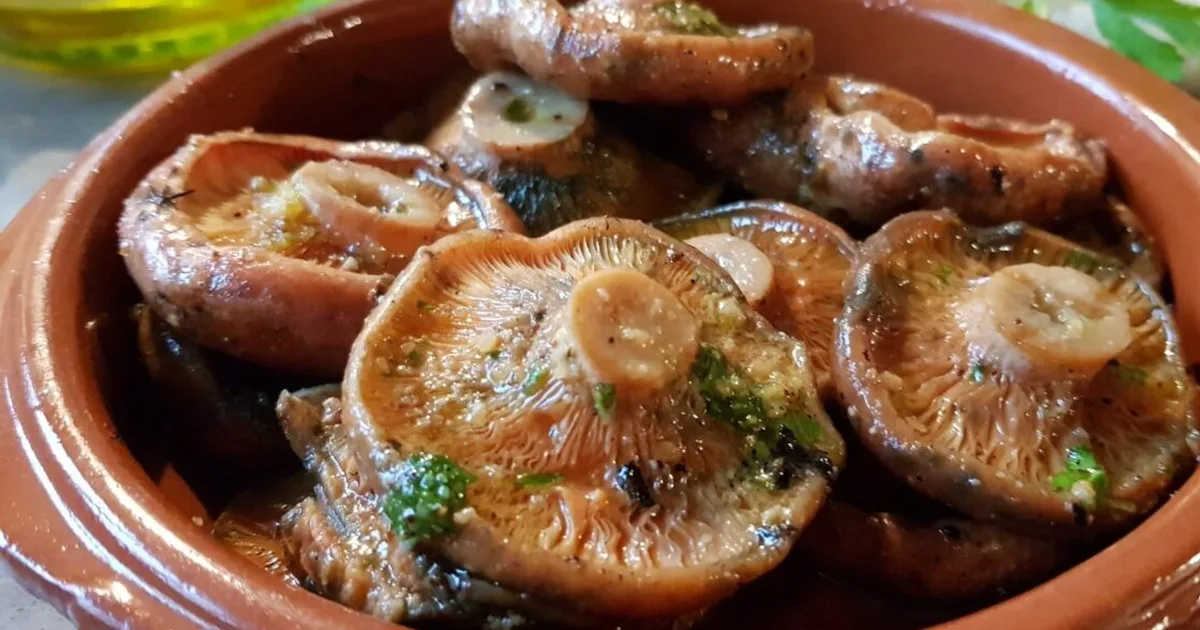
The saffron milk cap (Lactarius deliciosus), known locally as rebollón or níscalo, is the most prized wild mushroom in Aragón and a cherished seasonal ingredient that appears in the forests around Zaragoza each autumn, celebrated in festivals, family foraging traditions, and the region's best restaurant kitchens. With its distinctive orange cap and the vivid saffron-coloured latex that bleeds from its gills when cut, this mushroom is as visually striking as it is delicious.
The dual naming reflects Aragón's rich linguistic heritage. In the province of Teruel, the term rebollón predominates, derived from the local word for the pine forests (rebollares) where the mushroom thrives. In Zaragoza, Huesca, and most of standard Spanish, níscalo is the common name. Both refer to the same species — Lactarius deliciosus — though careful mycologists note that several closely related species (Lactarius semisanguifluus, Lactarius vinosus) are also collected and sold under the same popular names.
What unites them all is the vibrant orange latex that stains fingers and cutting boards, and the unmistakable flavour — nutty, slightly peppery, with an earthy depth that intensifies when cooked. For Aragonese food lovers, the first níscalo of the season is an eagerly anticipated event, signalling the start of autumn as surely as the falling leaves.
Mushroom foraging (senderismo micológico) is a deeply embedded cultural practice in Aragón. Entire families take to the pine forests on autumn weekends, armed with baskets, knives, and generations of accumulated knowledge about which slopes face the sun, which altitudes hold the most moisture, and which trees form the best partnerships with edible fungi. The activity is regulated in many areas to ensure sustainability — foragers are limited to a maximum of 5 kg per person per day in most forests.
The most productive areas within reach of Zaragoza include the pine forests of the Moncayo Natural Park, the Sierra de Algairén near Cariñena, and the woodlands surrounding the Jiloca valley. The season typically runs from September through November, with the peak in October after the first significant autumn rains. Ideal conditions are daytime temperatures of 12–18°C with moderate, steady rainfall.
The traditional Aragonese preparation is beautifully simple and allows the mushroom's intrinsic qualities to shine. Clean the mushrooms gently with a brush or damp cloth — never wash them, as they absorb water and lose flavour. Slice larger specimens in half or into thick pieces. Heat good-quality olive oil in a pan, add sliced garlic, and cook until fragrant. Add the mushrooms, season with sea salt, and sauté over medium-high heat until they release their liquid and it reduces to a glaze. Finish with a generous amount of chopped fresh parsley and a splash of dry white wine or, if you have it, the local Cariñena or Somontano.
Beyond this classic preparation, saffron milk caps are wonderfully versatile:
The mushroom season is celebrated with festivals across the region. The Feria Micológica in the town of Mora de Rubielos (Teruel) is one of the most important, featuring guided forays, cooking demonstrations, and a mycological market. Closer to Zaragoza, the Jornadas Micológicas de Cariñena combine mushroom-themed tasting menus at local restaurants with educational walks in the surrounding pine forests. These events typically take place in late October and early November.
Saffron milk caps pair beautifully with other local ingredients. Try them alongside maraschino cherries in a savoury-sweet chutney, or as part of a tasting menu that showcases the diversity of Aragonese gastronomy. For meat lovers, níscalos are the perfect accompaniment to Ternasco de Aragón (roast lamb) or grilled pork, absorbing the meat juices while contributing their own distinctive character.
Season: September–November (peak: October)
Habitat: Pine forests, especially young plantations and clearings
Identification: Orange cap with concentric rings, orange-pink gills, orange latex (saffron colour) — distinctive and safe for beginners with guidance
Regulations: Maximum 5 kg per person per day in regulated forests. Some areas require a permit.
Note: Always cut the mushroom at the base of the stem rather than pulling it, to protect the underground mycelium.
In Aragón, rebollón and níscalo are used interchangeably to refer to the same mushroom: Lactarius deliciosus. The term rebollón is more common in eastern Aragón (Teruel province), while níscalo is used in Zaragoza and Huesca. Both refer to the saffron milk cap, named for the orange-red latex that exudes when the gills are cut or bruised.
Saffron milk caps grow in pine forests, forming mycorrhizal associations with pine trees. The best foraging areas near Zaragoza include the Sierra de Algairén, the Moncayo Natural Park, and the pine forests of the Jiloca and Calatayud regions. Always ask permission from landowners and follow local foraging regulations.
The season runs from September to November, with the peak in October after the first autumn rains. Ideal conditions are mild temperatures (12–18°C) and moderate rainfall. The season can start earlier at higher altitudes and last longer in lower, sheltered valleys.
The simplest and most traditional Aragonese preparation is to sauté them in olive oil with garlic and parsley, then finish with a splash of dry white wine. They are also excellent grilled on a plancha with sea salt, or incorporated into rice dishes, tortillas, and stews. Their firm texture holds up well to cooking, and their nutty, slightly peppery flavour pairs beautifully with cured meats and aged cheese.
Yes, Lactarius deliciosus is one of the safest wild mushrooms to identify thanks to its distinctive orange cap, concentric rings, and orange latex. However, always forage with an experienced guide if you are a beginner. Some lookalikes exist, and proper identification is essential. The golden rule: when in doubt, throw it out.
Zaragoza is the perfect base for autumn foraging excursions. Maestro Luna offers a cosy, centrally located apartment with a fully equipped kitchen — ideal if you want to cook your foraged finds. Las Armas provides a modern, spacious alternative with easy access to the main roads leading to the best mushroom forests. Both apartments offer the comfort and convenience you need after a day spent combing the pine woods of Aragón.
Make Zaragoza your base. Our boutique apartments are just minutes from all attractions.
Maestro Luna Apartment Las Armas Apartment