· Updated:
The city's green lung with 40 hectares of nature
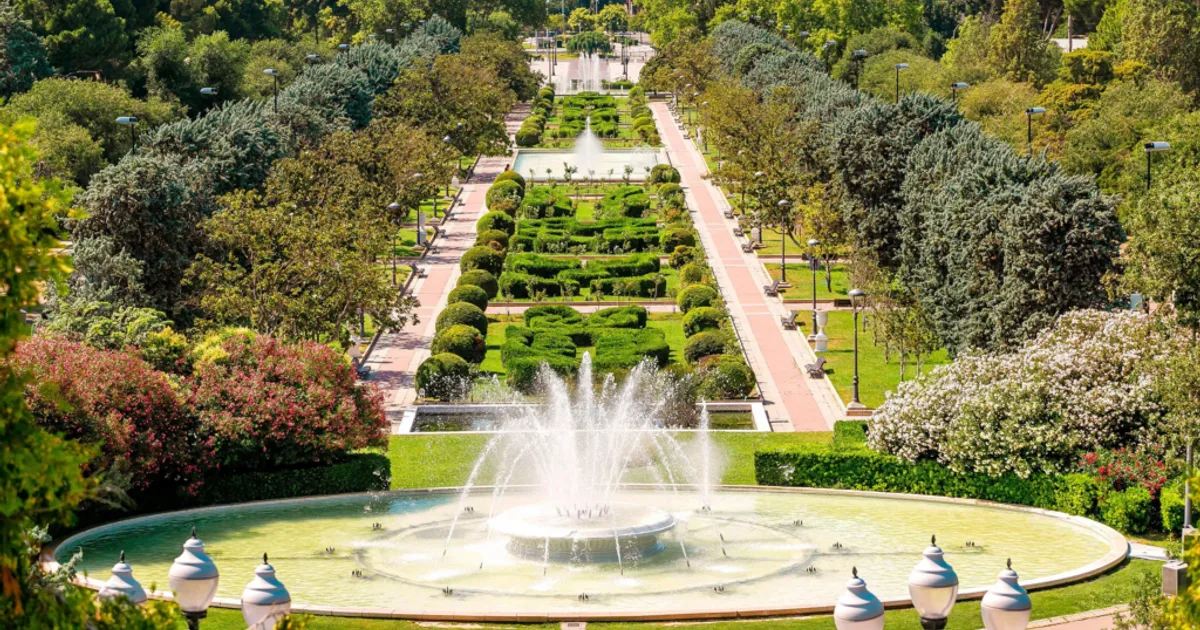
The Grand Park of Zaragoza is the city's green lung with 40 hectares of promenades, fountains, lakes, sculptures and gardens in the heart of the urban area — a beloved oasis where locals come to walk, row, picnic and escape the Mediterranean heat. Officially named Parque Grande Jose Antonio Labordeta after the beloved Aragonese singer and politician, this magnificent urban park was designed in the early 20th century by the gardener Mariano Cacho and the architect Jose de Yarza. Since its inauguration in 1929, it has grown into the most important green space in Zaragoza, cherished by generations of locals who know it simply as "el Parque Grande".
The park's design follows the classic principles of the French formal garden, with wide tree-lined avenues, geometric flower beds and ornamental water features, blended with a more romantic English-style landscape in its outer reaches. The result is a space that feels both grand and intimate, where formal parterres give way to shady woodland paths and hidden corners that reward exploration.
The spine of the park is the Paseo de los Platanos, a magnificent avenue lined with centuries-old plane trees whose branches form a green tunnel overhead. This promenade runs the length of the park, connecting the main entrance at Plaza de Aragon with the auditorium at the southern end. Halfway along, the avenue opens into the Plaza de los Hombres del Rio, dominated by the Fuente de la Princesa — a monumental fountain featuring a bronze sculpture of a princess surrounded by allegorical figures representing the rivers of Aragon.
Just beyond the main fountain lies the Cascada (waterfall), a dramatic cascade of water that drops over artificial rock formations into a pool below. On hot summer days, the spray from the waterfall creates a cool microclimate that draws families and joggers alike. The sound of rushing water is the park's constant soundtrack, provided by a network of fountains, streams and pools that recycle water through the entire system.
The boating lake (Estanque de los Patos) is the heart of the park's recreational offer. Visitors can rent rowboats and pedal boats to explore the lake, which is home to ducks, swans and terrapins. The lake is surrounded by weeping willows and features a small island with a romantic pergola. On weekends, the lake is buzzing with activity as families enjoy gentle boat rides and children feed the ducks.
Adjacent to the lake is the Geological Garden, a unique open-air museum displaying rocks, minerals and fossils from all over Aragon. This collection, assembled by the University of Zaragoza, includes dramatic specimens of marble, granite, sandstone and fossilised marine creatures from the region's prehistoric past. It is a fascinating detour for geology enthusiasts and a popular spot for school visits.
The Rosaleda (rose garden) is a formal parterre featuring over 1,000 rose bushes arranged in geometric patterns around a central fountain. In late spring and early summer, the roses are in full bloom, filling the air with a heady fragrance that makes this one of the most romantic spots in the city. The garden is meticulously maintained by the city's parks department and serves as a venue for the annual Rose Competition.
At the southern end of the park stands the Auditorio de la Casa del Lector, a modern open-air amphitheatre that hosts concerts, theatre performances and cultural events throughout the summer. The auditorium seats over 2,000 people and has welcomed international artists as well as local musicians. The summer concert series, known as "Noches en el Parque Grande", is a highlight of Zaragoza's cultural calendar.
Despite its urban location, the Grand Park supports a surprising diversity of wildlife. The lake and waterways attract waterfowl including mallards, coots and grey herons. The mature trees are home to several species of songbirds, and in autumn, migrating birds pass through on their way south. Squirrels are a common sight, and the park's bat population emerges at dusk to feed on insects attracted to the water features. The park administration has installed bird boxes and insect hotels as part of a biodiversity programme that makes the park an important urban wildlife corridor.
After exploring the park, you are well-positioned to visit other Zaragoza attractions. La Seo de Zaragoza and the Basilica del Pilar are a 20-minute walk away through the historic centre. For a different kind of outdoor experience, the Aljaferia Palace offers magnificent gardens that contrast beautifully with the park's naturalistic design. And if you are planning a day trip from Zaragoza, the ghost village of Belchite provides a powerful historical counterpoint to the park's peaceful greenery.
The Grand Park is located in the southern part of the city centre, within easy reach of our apartments. Our Maestro Luna apartment is a stylish one-bedroom in the historic centre, a 20-minute walk from the park's main entrance. The apartment is perfect for couples who want to combine cultural sightseeing with relaxation in nature. For families or larger groups, the Las Armas apartment offers two bedrooms, a full kitchen and a peaceful Ebro riverfront location. Both properties include free WiFi, air conditioning and premium bedding. Book directly through QueenBNB for the best rates.
Location: Southern city centre, between Paseo de la Constitucion and Paseo de Aragon.
How to get there: 20 min walk from Plaza del Pilar. Bus lines 38, 53, 54.
Opening hours: Open 24 hours. Gates open at 7:00 and close at 22:00 (winter) or 23:00 (summer).
Admission: Free. Boat rental and train ride have small fees.
The Grand Park of Zaragoza (Parque Grande José Antonio Labordeta) is the largest urban park in Zaragoza, spanning 40 hectares of landscaped gardens, tree-lined promenades, ornamental lakes, fountains and monuments. It is the city's primary green space and a beloved recreation area for locals of all ages.
The park offers walking and jogging along shaded promenades, rowing on the boating lake, visiting the geological garden with rocks and fossils, exploring the rose garden, cooling off at the waterfall fountain, enjoying children's playgrounds, having a picnic on the lawns, and visiting the auditorium which hosts summer concerts and events.
Yes, the park is extremely family-friendly with several well-equipped playgrounds, a boating lake where children can ride pedal boats, wide open spaces for running and playing, and a charming miniature train that runs through the park on weekends and holidays. The park hosts regular family events, workshops and outdoor activities.
Yes, the park has several kiosks and cafes where you can buy drinks, ice cream and light snacks. The main cafe near the boating lake serves coffee, beer and simple meals with outdoor seating overlooking the water. Many visitors also bring picnics, and there are plenty of benches and shaded areas perfect for an al fresco lunch.
The park is located in the southern part of the city centre, a 20-minute walk from Plaza del Pilar. Bus lines 38, 53 and 54 stop at the park's main entrance. The nearest tram stop is Plaza de la Universidad, from which it is a 10-minute walk through the university campus.
Make Zaragoza your base. Our boutique apartments are just minutes from all attractions.
Maestro Luna Apartment Las Armas Apartment